
What is urticaria (hives)? Symptoms and how it differs from other rashes
Compiled by Asoke Skin Hospital
Reviewed by the dermatology team of Asoke Skin Hospital
Published · Last updated · Last reviewed
In short: Urticaria (hives) is a skin condition that causes raised, red, itchy swellings with clear borders. Each individual wheal usually fades on its own within 24 hours without leaving a trace, though new wheals may appear elsewhere. If the rash keeps coming and going for more than 6 weeks, it is called chronic urticaria.
What does the urticaria rash look like?
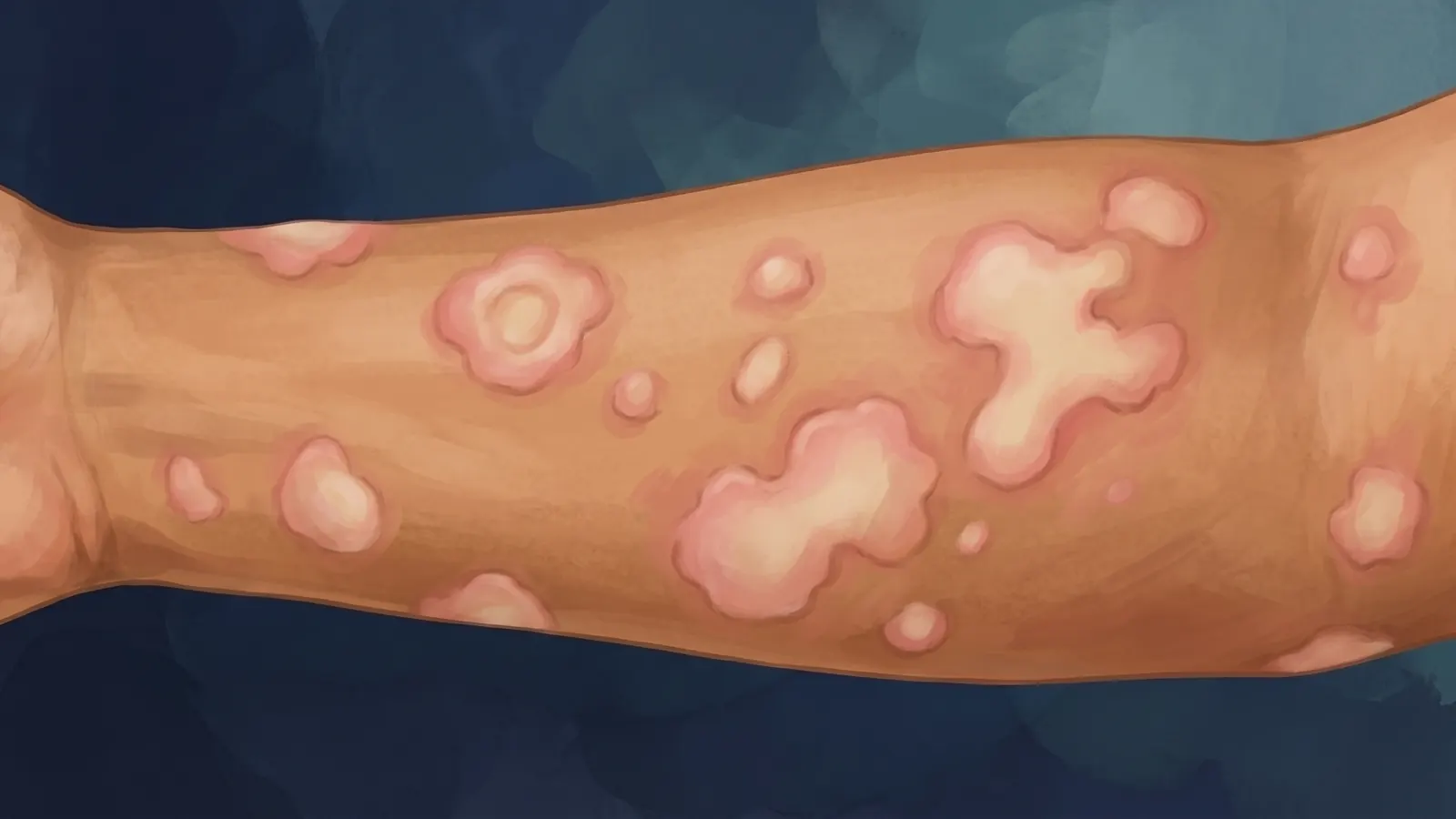
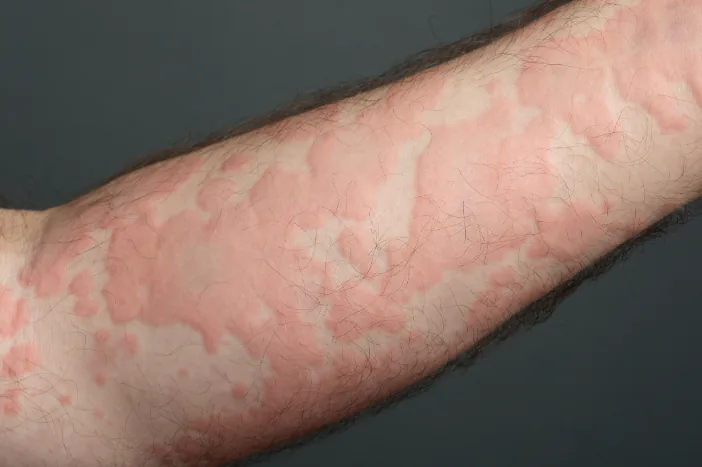
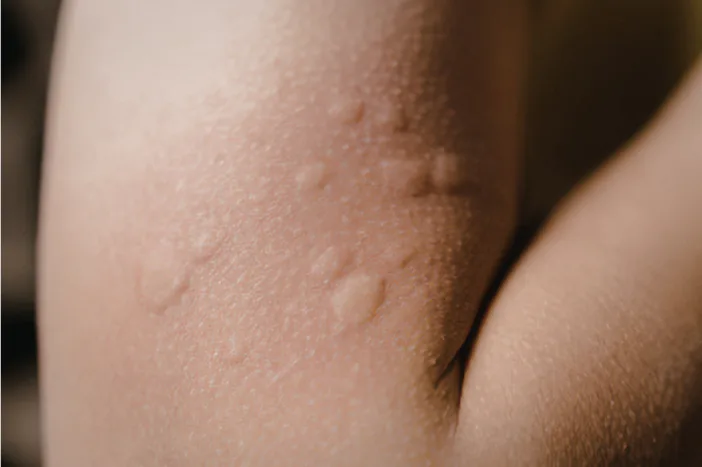
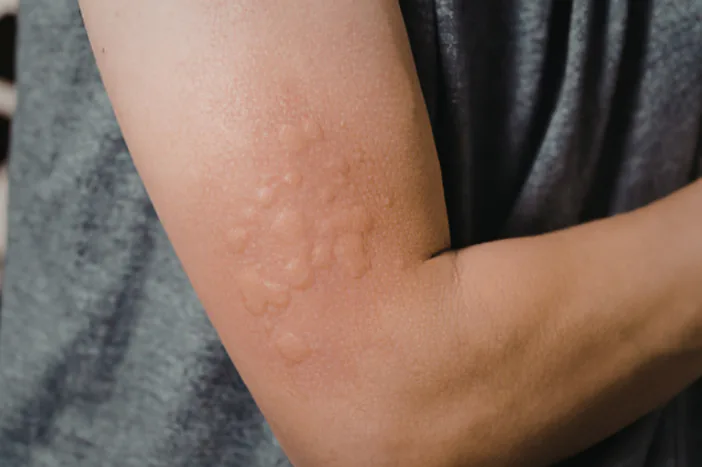
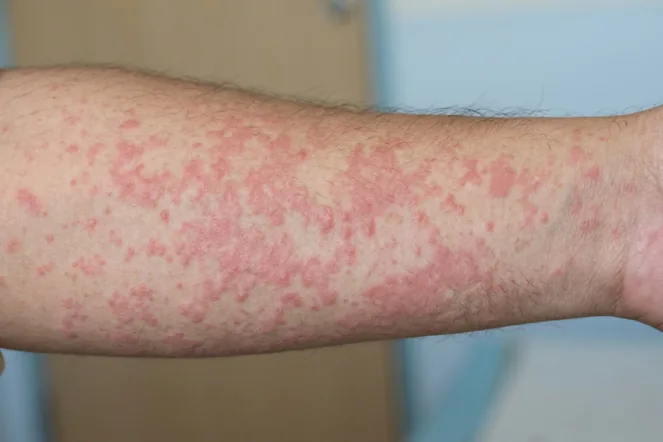
A wheal is a raised swelling of the upper skin, usually red or red-edged with a paler center, ranging from a few millimeters to several centimeters. Wheals can appear anywhere on the body. The main symptom is itching; some people also feel a burning sensation. The most important feature: each wheal usually lasts no more than 24 hours and fades without a trace. A rash that keeps moving to new locations still fits urticaria, but a fixed lesion that lasts longer than that should be examined by a doctor.
What is angioedema (deeper swelling)?
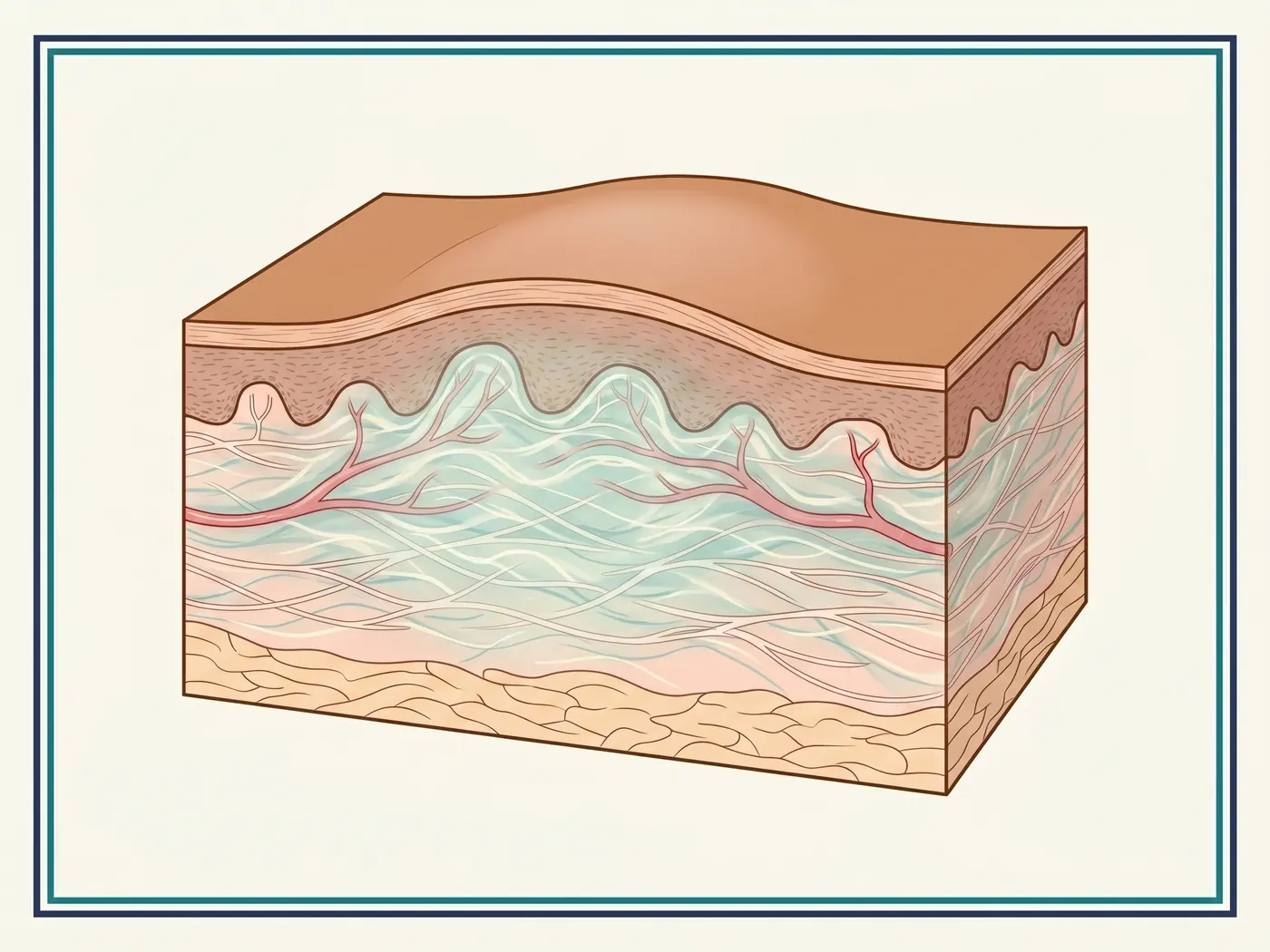
Some people with urticaria also develop swelling of the deeper tissues, called angioedema. It typically affects the eyelids, lips, hands or feet, feels tight or painful rather than itchy, and resolves more slowly than ordinary wheals — it can take up to 72 hours. Swelling of the tongue or throat, or any difficulty breathing, needs immediate hospital care.
What are the types of urticaria?
Doctors classify urticaria by duration and trigger:
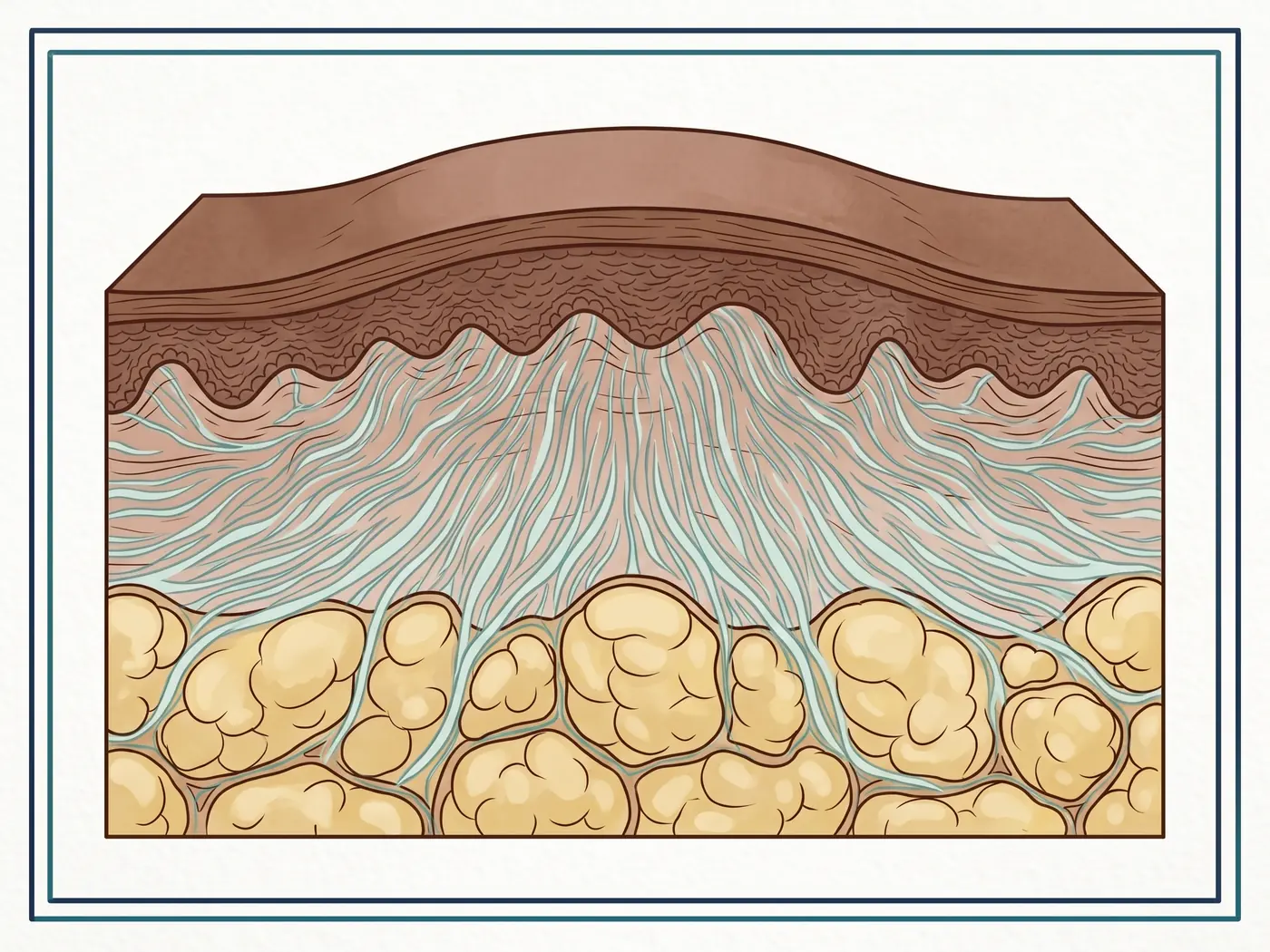
- Acute urticaria — present for less than 6 weeks. The most common form; it usually resolves on its own.
- Chronic urticaria — wheals that keep coming and going for more than 6 weeks. It is divided into chronic spontaneous urticaria, which appears without a clear external trigger, and chronic inducible urticaria, which is provoked by a specific stimulus such as scratching, cold, heat, pressure, sunlight, exercise-induced sweating, or water.
How is urticaria different from other rashes?
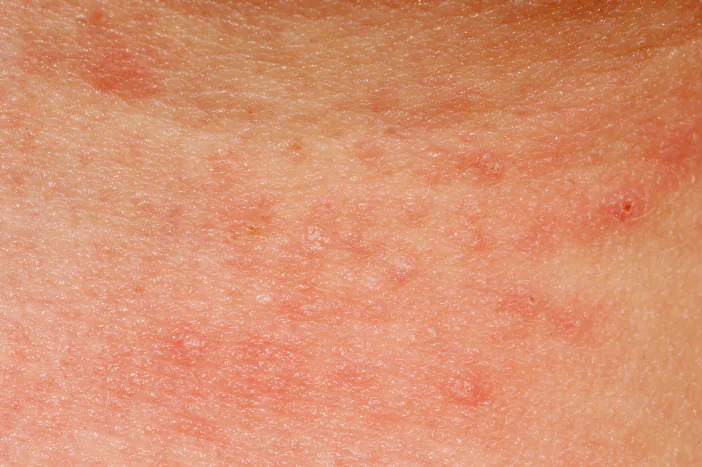
Not every itchy rash is urticaria. The distinguishing features are the raised, well-defined shape, the prominent itch, and clearing, usually within 24 hours, without a trace. Eczema patches are usually dry, flaky and stay in place for days. Insect bites are usually single bumps with a central point. Some drug rashes appear as flat red spots spread across the body that last longer. If you are unsure, photographing the rash and noting when it appears and fades helps your doctor greatly.
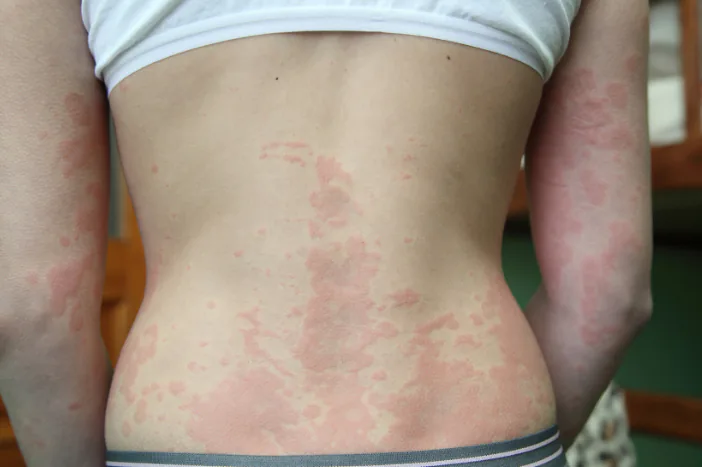
How urticaria can look in real photographs
Real educational photographs from the owner-approved set; not presented as hospital patients or hospital cases, and not a substitute for diagnosis by a physician.
Which rash is urticaria? A clear comparison
Not every itchy rash is urticaria. Compare the key features of four rashes people often confuse (stylized illustrations, not clinical photos).
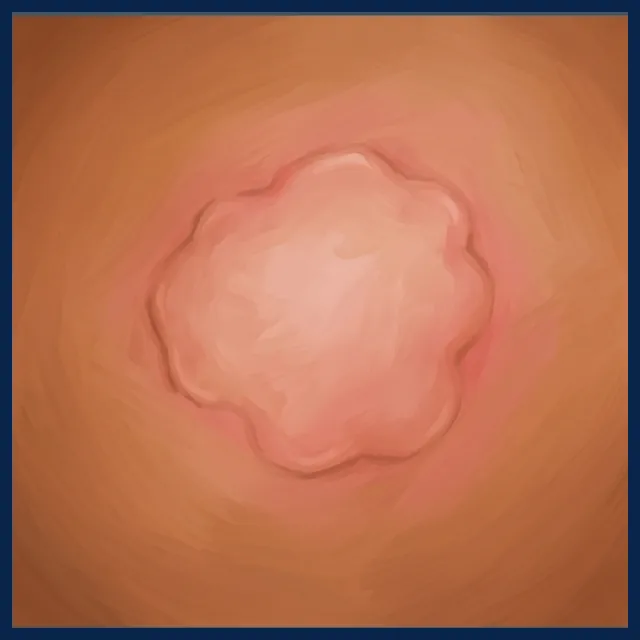
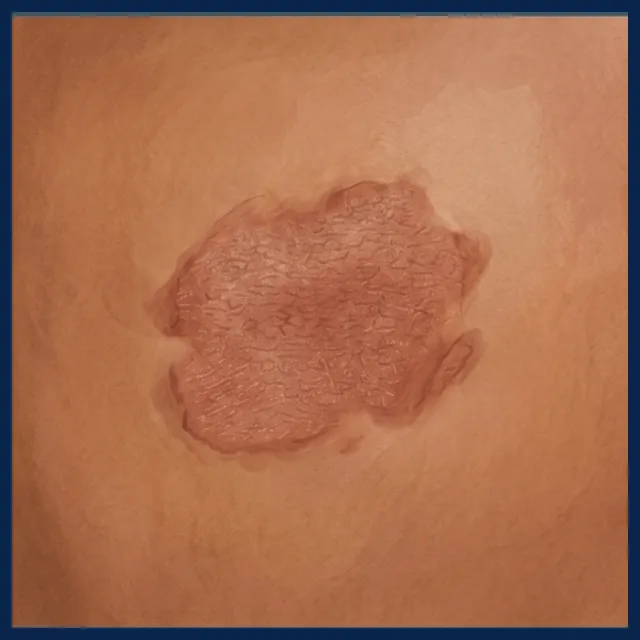
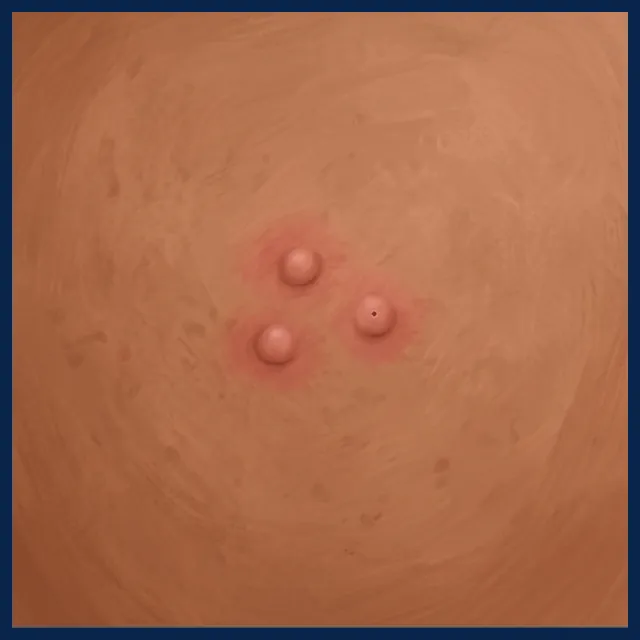
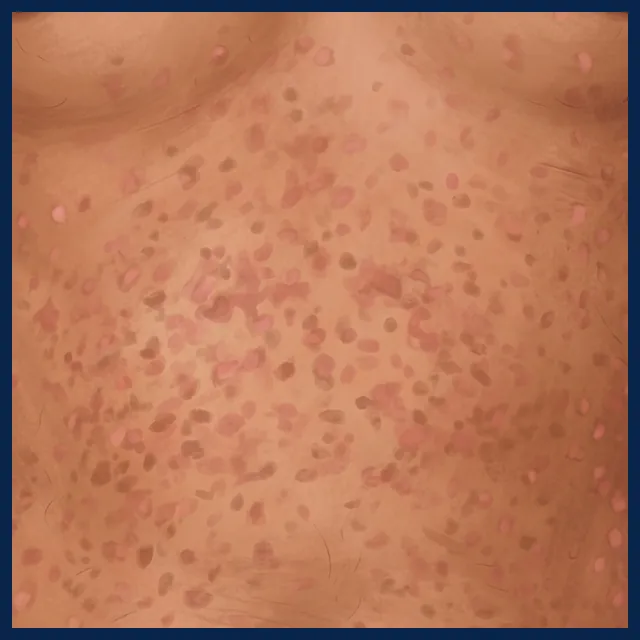
If your rash does not fit urticaria, or you are unsure, photograph it with the time noted and see a dermatologist.
Should a dermatologist look at your rash?
Asoke Skin Hospital offers dermatologist consultations every day, walk-in, no appointment needed.
Contact / branches & hours