
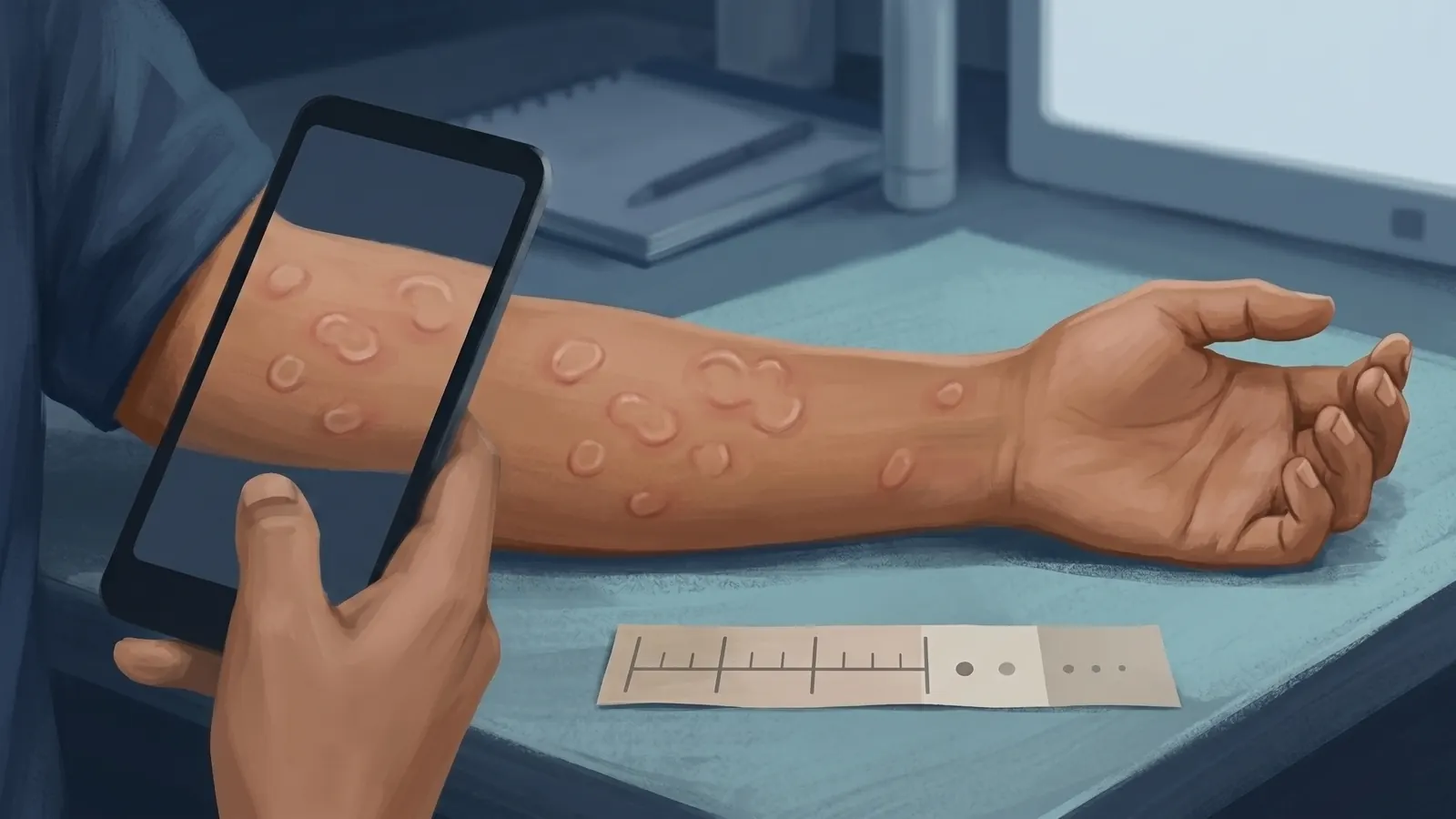
How doctors diagnose urticaria — are blood tests or allergy tests needed?
Compiled by Asoke Skin Hospital
Reviewed by the dermatology team of Asoke Skin Hospital
Published · Last updated · Last reviewed
In short: Doctors diagnose urticaria mainly from your history and the appearance of the rash. Most acute urticaria needs no blood tests. For chronic urticaria, doctors may order a few basic blood tests, and choose additional tests only when your history points to a specific trigger or a genuine allergy.
What does the doctor want to know from your history?
The most useful information includes: how long each wheal lasts before fading, how long the condition has been going on, how often the rash appears, whether you get eyelid or lip swelling, whether you have noticed any repeating trigger, your regular and recently started medicines, what you ate before the first episode, your underlying conditions, and how the rash affects your sleep or work. Keeping notes or photos in advance lets the first visit gather everything in one go.
When are blood tests needed?
According to the international guideline, ordinary acute urticaria does not require blood tests. In chronic urticaria, doctors commonly check a few basics such as a complete blood count (CBC) and an inflammation marker (ESR or CRP) to screen for hidden conditions. Anything beyond that is chosen case by case based on your history — not as a blanket panel for everyone.
How does allergy testing help?
Allergy testing is useful when your history clearly links symptoms to something specific, such as the same food every time, or a particular medicine. The doctor selects the appropriate method, such as a skin prick test for immediate-type allergy. For inducible urticaria, the doctor can confirm the diagnosis with a provocation test — for example, an ice cube test for cold urticaria. Asoke Skin Hospital provides skin allergy testing, with a dermatologist assessing whether testing is needed before it is done.
How does a symptom diary help treatment?
For chronic urticaria, doctors often ask patients to rate their symptoms daily with a simple score — the number of wheals and the itch level each day (the UAS7 score) — for a week at a time. This shows the true trend of the disease and helps the doctor adjust treatment more accurately than recalling from memory.
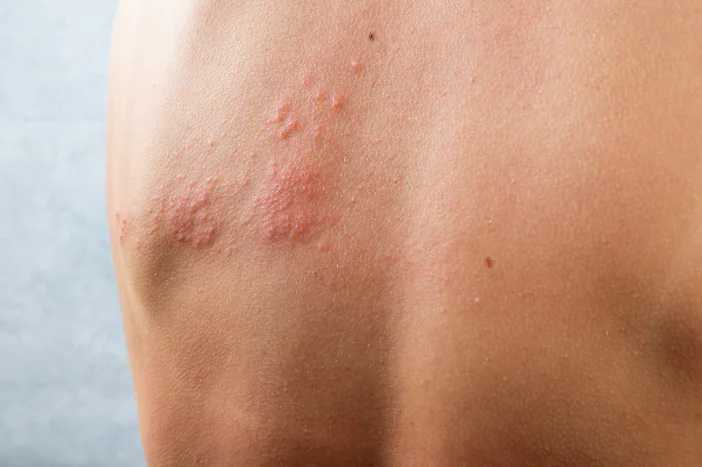
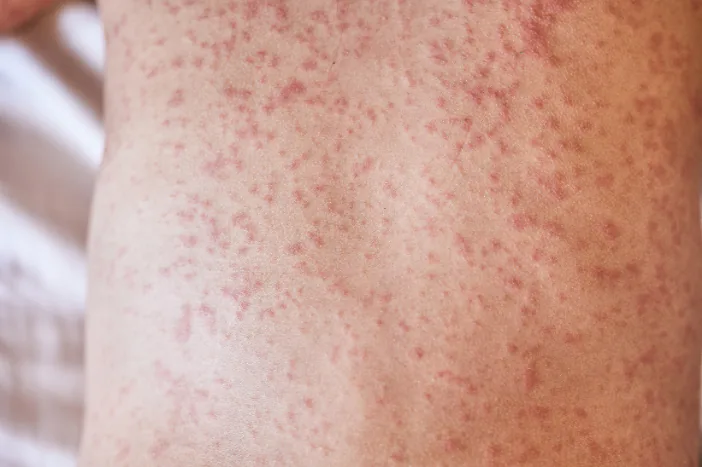
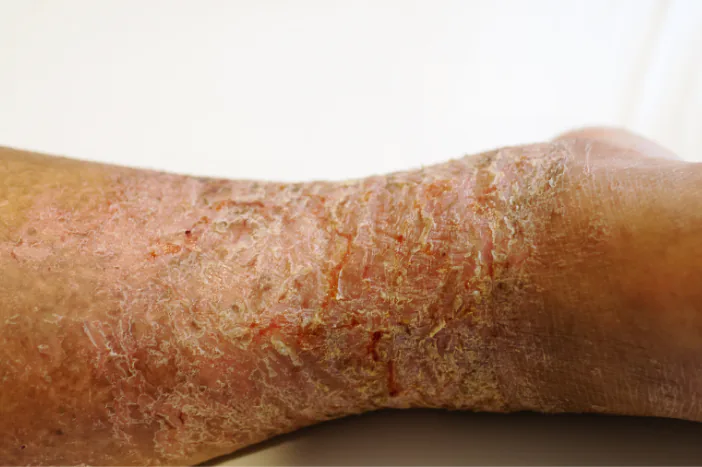
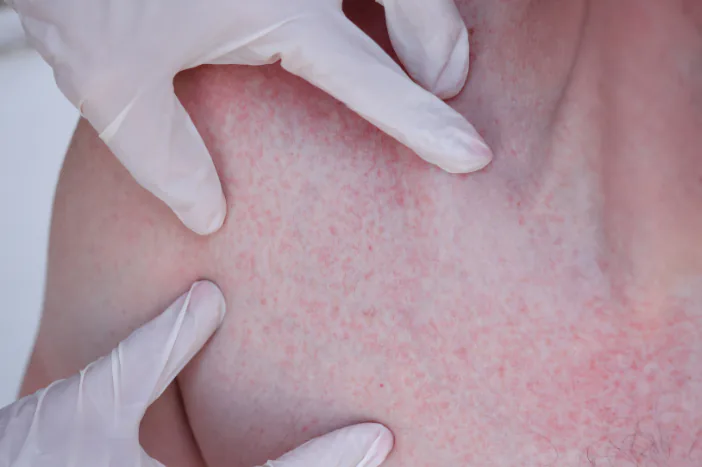
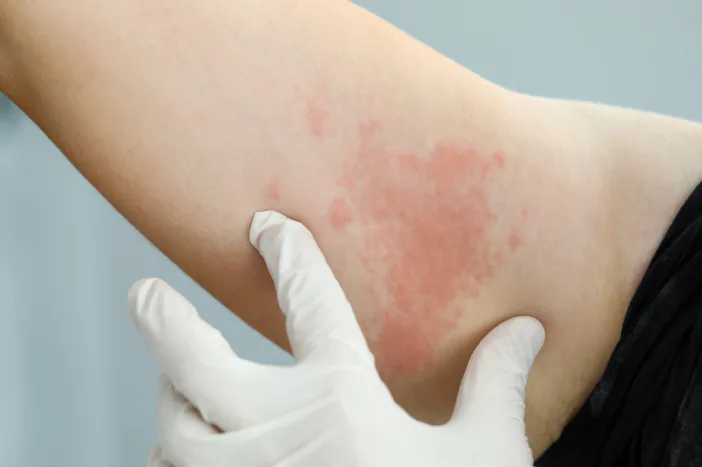
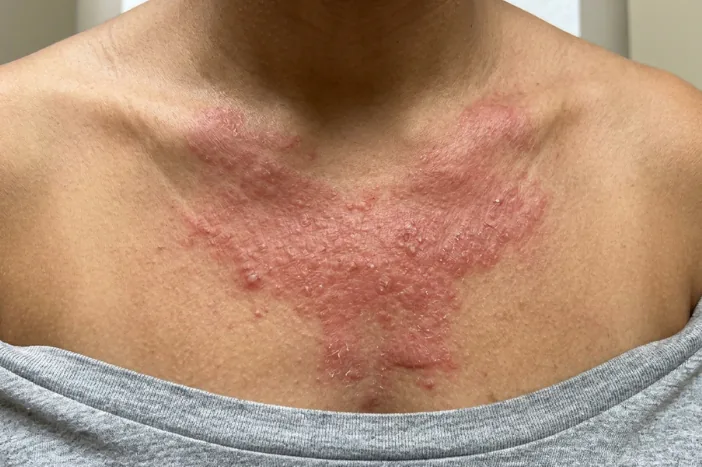
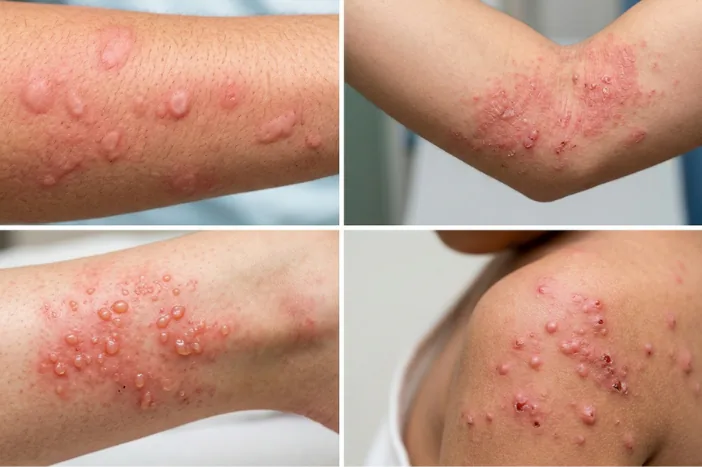
Different skin appearances in real photographs
Real educational photographs from the owner-approved set; not presented as hospital patients or hospital cases, and not a substitute for diagnosis by a physician.

Should a dermatologist look at your rash?
Asoke Skin Hospital offers dermatologist consultations every day, walk-in, no appointment needed.
Contact / branches & hours